


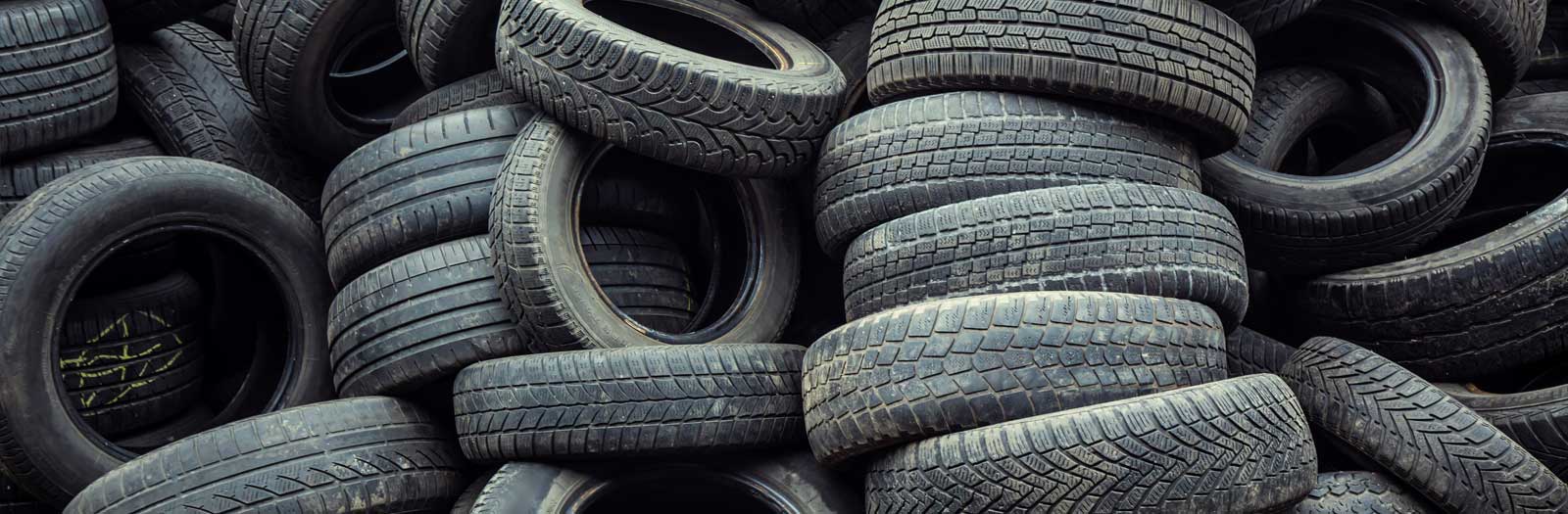
Pile of Tires

Tire Collection Site Operators

Tire collection site operators currently facing challenges getting their tires picked up, should contact RPRA’s Compliance and Registry Team for support at [email protected] or 1-833-600-0530. Our team is working diligently to respond to all inquiries as quickly as possible.

If you are a First Nation, municipality, retailer or organization that collects tires whether through a depot, collection events or on-site collection containers, you are not required to facilitate collection services, register or report as a collector under the Tires Regulation. However, if you are also a producer, hauler, processor or retreader, additional responsibilities may apply.

Tire producers are responsible for collecting and reusing, retreading or processing their products when consumers discard them.

Producers must meet accessibility requirements to ensure residents across the province can safely dispose of their used tires. They have the choice to set up their own collection networks or work with a producer responsibility organization (PRO) to set up a collection network on their behalf.

Producers or PROs will contract with haulers who arrange for the transport of tires from collection sites. While producers and PROs are required to report the location of the collection sites in their network to RPRA, there are no registration or reporting requirements for collection site operators.

Click on the links to learn more about the specific requirements for:

Click the headings below to learn more about the responsibilities of a collection site operator.

If First Nation communities, municipalities or other collection site operators want to collect used tires as a service to customers or residents, they need to ensure their sites are included in a collection network.

Most producers will be working with service providers, such as PROs, processors or haulers to operate their collection networks. First Nation communities, municipalities, and collection site operators should contact a service provider registered with RPRA. View the list of registered tire service providers here.

Since producers can reduce their accessibility requirements by providing collection events, municipalities and First Nation communities will also need to contact a service provider if they are interested in providing these services to their residents.

For tires collected from a collection site to count towards a producer’s management requirements, the site must accept tires free of charge and satisfy the following additional requirements:

  • If the tire collection site is not a municipality, First Nation, Local Service Board or Crown site, it must accept, at a minimum:
    • Tires that are of a similar rim size and calculated weight as those supplied or provided at the site, and
    • Up to 10 tires per day from any person that are of a similar rim size and calculated weight as those supplied or provided at the site.
  • If the tire collection site is a municipality, First Nation or Crown site, it must accept, at a minimum:
    • Passenger and light truck tires, and
    • Up to 10 passenger and light truck tires per day from any person.
  • The tire collection site must be readily accessible to the public and accept all tires during normal business hours.
  • Municipal, First Nation, and Local Service Board collection sites are permitted to operate seasonally or for a limited number of days per week.
  • The tire collection site must accept tires that are still attached to rims.

Haulers, retreaders or processors who pick up and process used tires for a producer must be registered with RPRA for the tires they transport and process to count towards a producer’s management requirement.

First Nation communities, Ontario crown sites and municipalities can contact a large producer or PRO to arrange a pick-up once they collect more that 200 tires. The producer or PRO must collect the tires within one year from the time the request is made. Producers or PROs must make reasonable efforts to pick up tires within one year from First Nation reserves in the Far North.

Have a question?

Contact our Compliance and Registry Team.